The Northern Rivers region of NSW is home to an incredible variety of native plants. From coastal banksias and bottlebrushes to lush rainforest species like Bangalow palms and Davidson’s plum, there is something to suit every garden. Whether you live by the beach, in the hinterland, or on a suburban block, planting natives is one of the best ways to create a garden that’s both beautiful and resilient.
If you’re new to native plants, here’s everything you need to know to plant and enjoy a thriving native garden in the Northern Rivers.
Why choose natives?
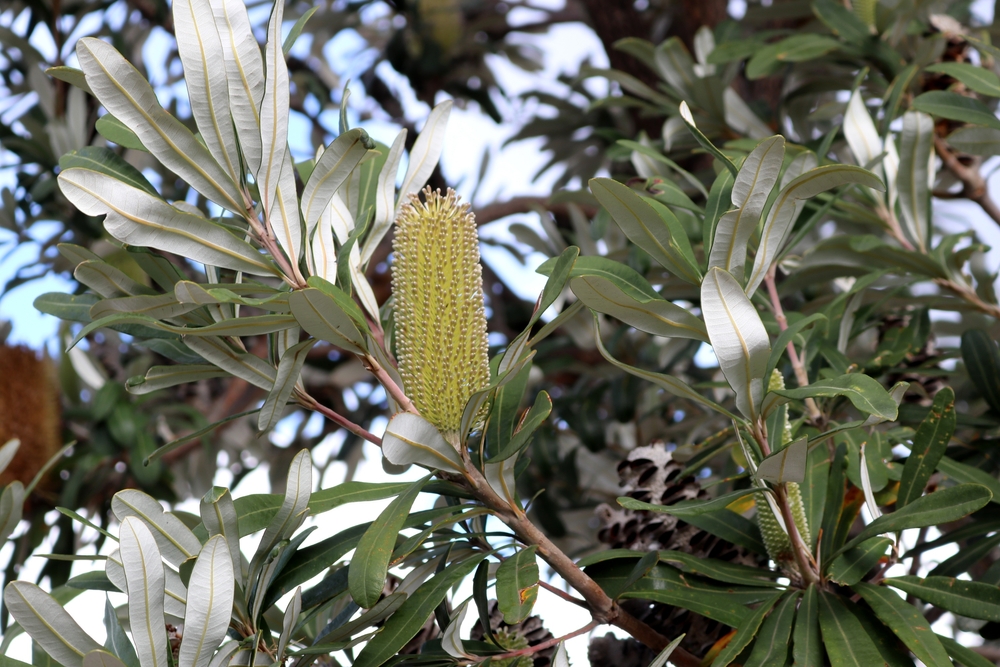
Coastal gardens are suited to salt and wind-tolerant species like Coastal Banksia, Westringia and Spinifex. If you live in the hinterland or on rainforest edges, natives such as Bangalow palms, Lilly Pilly, Davidson’s Plum and Native Ginger will thrive here. Flood-prone areas and river flats are suited to water-loving Melaleucas (Paper Barks), Native Sedges and Lomandra. For sunny suburban gardens, consider Grevilleas, Callistemons (Bottlebrush), or Flowering Kangaroo Paw for bright bird-attracting displays.
Step 2: Prepare your soil
Native plants are hardy, but some preparation will ensure they thrive. Check the drainage. Unless you have plantings suited to ‘wet feet,’ most natives prefer a drier environment. Raised beds or mounds help if you have heavy clay. Avoid high-phosphorous fertilisers and go for blends labelled ‘safe for natives.’ Prepare your site with a generous layer of mulch, such as leaf litter or bark, to keep the moisture in and weeds to a minimum.
Step 3: Choose your plants
Mix up your selection of plants to include different heights and purposes. For groundcovers, Native Violet, Creeping Boobialla and Lomandra are good options. Add some flowering shrubs such as Grevillea, Callistemon, or Midgen Berry. It’s always nice to include a few feature trees for dramatic effect. Crepe Myrtle, Water Gum, Magnolia and Eumundi Quandong grow well in our climate, depending on your aesthetic preference.
Step 4: Encourage wildlife
When designing your garden, layering is an excellent way to create food and shelter for animals. Tall canopy trees provide shade and resting nests. Flowering shrubs attract birds and insects, while groundcovers and grasses offer hiding places for lizards and frogs. Thoughtful placement of water features or bird baths can add to your garden design and provide an additional drawcard for wildlife.
Step 5: Tips for successful planting
Dig a hole twice as wide as the pot but no deeper. Place your plant in the hole and water well. Make sure any mulch doesn’t touch the base of the plant. Planting in the cooler months is ideal as it gives time for roots to establish before the summer heat sets in.
Step 6: Low-maintenance native gardening
A light prune after the flowering season will encourage dense growth. Top up the mulch once or twice a year and water only until established. Most natives fend for themselves after the initial settling-in period, making them an excellent option for easy gardening.
Native plantings are the perfect way to create a garden that celebrates the unique flora and fauna of our region. No matter the size of your garden, we can help you design a space you’ll love. With decades of horticultural know-how, our consultants will guide you on the best plants and landscaping to bring your vision to life. Please enquire about our garden styling service.