Cultivating a thriving garden isn’t just about choosing pretty plants. Creating the right ecosystem is equally important. Healthy gardens rely on an army of tiny helpers. We call them beneficial bugs. These include pollinators such as bees, butterflies, and hoverflies, as well as predatory insects such as ladybugs, lacewings, and wasps. Each insect plays a unique and essential role in keeping plants vigorous and pest-free. Planting the right plants that attract these good bugs will reduce the need for chemicals, support biodiversity and ensure your garden’s long-term resilience. Here’s all you need to know about beneficial bugs for your garden.
Pollinators support abundant flowering, fruit and veggies
Pollinators are responsible for helping flowers turn into fruit, seeds and new growth. Without them, gardens produce fewer flowers, a reduced fruit harvest, and weaker, less resilient plants. Their role is to keep your garden productive and bursting with life.
The most efficient pollinators are bees. They buzz around visiting hundreds of flowers each day. Butterflies play a vital role in cross-pollination, fluttering between blooms to enhance plant diversity. One of the unsung heroes of the garden is the hoverfly. It looks like a small bee and is fast and agile, helping to manage pests in their larval stage, before they can do damage to your plants.
Predatory insects: nature’s pest controllers
These clever little insects play a vital role in protecting plants from pests that can wreak havoc. They reduce the need for chemical sprays and help maintain a healthy, organic garden environment.
Ladybugs eat aphids, scale, mealybugs and other soft-bodied pests. In fact, one ladybug can eat up to 50 aphids in a day! The deceptively gentle-looking lacewing is a fierce predator at the larval stage, and parasitic wasps target caterpillars, grubs and other damaging pests.
How to plant for pollinators
The key to a thriving pollinator ecosystem is planting a diversity of flower shapes and flowering times. A greater variety will attract more species and encourage biodiversity. The Northern Rivers region offers plenty of suitable options to ensure year-round blooms in your garden.
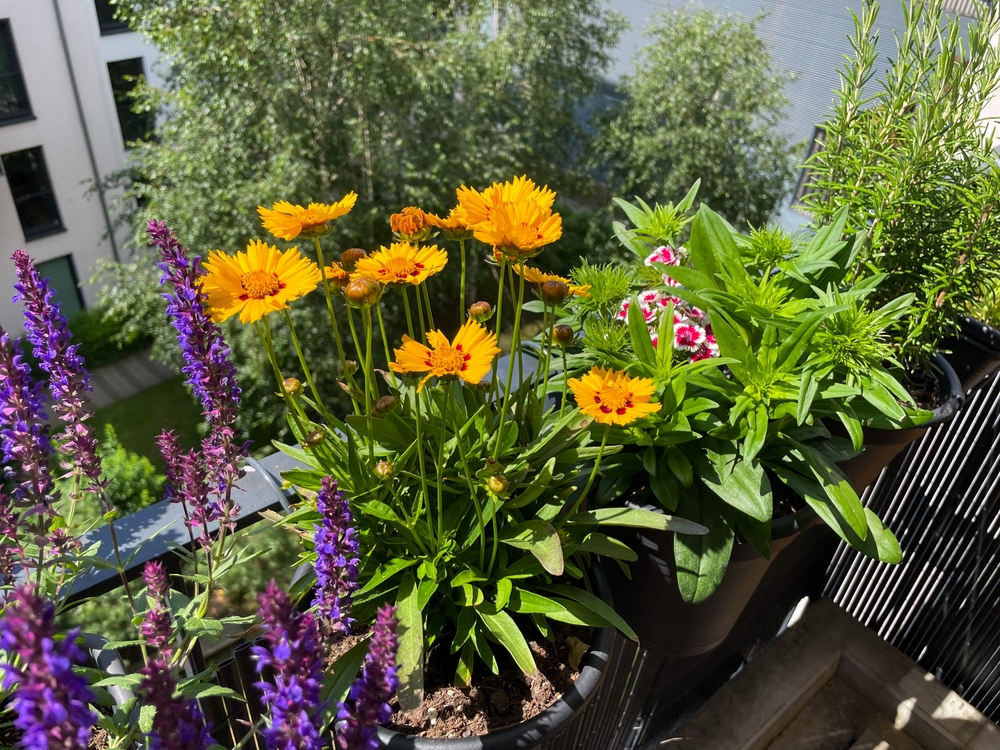
If you want to attract pollinators, the Salvia is your hero plant. They provide long-flowering colour from spring to autumn and are very popular with bees and honeyeaters. This drought-tolerant plant is versatile and suitable for growing in garden beds and pots. We stock several varieties including Unplugged So Blue, Ellie, Roman Red, Baby Sage, Heatwave Blast and many more.
Other pollinator favourites include Lavender, Dahlias, Australian natives such as Grevillea and Callistemon. Flowering herbs are also great – think Basil, thyme and mint. Letting some go to seed is a great way to keep the beneficial bugs around!
Plants that attract predatory insects
For quick impact, we recommend planting an annual such as Alyssum. Its continuous flowering will attract beneficial insects such as hoverflies and predatory wasps throughout the season. They are a great edging plant and make a pretty addition to veggie gardens.
Flowering herbs such as dill, coriander, fennel and parsley are also popular with predatory insects. Leave them to bloom to attract the bugs. Calendula and Marigold are good companions for tomatoes, beans and brassicas too.
Planting for beneficial bugs is an easy way to ensure your garden thrives and reduces the need for chemical intervention. With decades of horticultural know-how, our consultants will guide you on the best plants to optimise your garden ecosystem for beneficial bugs. Visit us today!