As a Northern Rivers gardener, you will know we don’t really get a “proper” winter like the southern states. Instead, we get mild days, cool nights, and that glorious stretch from April to August where leafy greens behave themselves. Cool-season gardening here is less about surviving frost and more about managing moisture, airflow, pests, and soil health. That’s where companion planting shines.
What’s the benefit of companion planting?
Our subtropical climate brings humidity even in the cooler months. Fungal issues are also common and at this time of the year the caterpillars and aphids can wreak havoc. Companion planting helps to create a tiny, balanced ecosystem in each garden bed. If you choose the right plants, you will improve air flow, distract or repel insects and maximise the use of your space.
Best cool-season veggies for the Northern Rivers
- Brassicas (broccoli, cauliflower, cabbage, kale)
- Silverbeet and rainbow chard
- Lettuce
- Spinach
- Peas and snow peas
- Broad beans
- Carrots
- Beetroot
- Garlic
- Onions
- Asian greens (pak choy, tatsoi, mizuna)
Best pairings
Brassicas + Dill + Coriander + Alyssum
Brassicas are absolute caterpillar magnets here. They provide a luxury abode for white cabbage moths so planting them with Dill and Coriander will help to attract parasitic wasps that prey on caterpillars. Alyssum is an attractive low-growing flower that appeals to beneficial insects. It also acts as a living mulch for your garden. Throwing in a few spring onions may also deter some pests and is another food source for you. It’s also a good idea to let some of the Dill and Coriander go to flower to provide extra interest for beneficial insects.
Carrots + Onions + Leeks
This classic combo works a treat. Onions and leeks can help to mask the scent of carrots and carrots don’t take up a lot of space above ground. Their roots systems all work at slightly different levels so you can maximise your use of space.
Keep your soil loose and well-drained. If you have heavier clay patches, be sure to compost and use gypsum.
Peas + Lettuce + Radish
Peas climb. Lettuce stays low and Radish grows quickly. This makes them a brilliant combination for small suburban gardens. The Peas are great for fixing nitrogen in the soil. Lettuce appreciates the light shade that the Pea trellises provide, and radishes mature quickly and break up the soil for slower crops.
Garlic goes with almost anything
Garlic is the quiet achiever. Plant it around Lettuce, Silverbeet, Brassicas and Beetroot. It may help deter aphids and some fungal issues. Plus, it takes up very little room and doesn’t cast heavy shade. Plant your garlic from March to April for harvest in late spring.
Beetroot + leafy greens
Beetroot grows down, leafy greens spread out, so they don’t compete much. Don’t forget to eat the beetroot leaves as well!
Don’t forget the flowers!
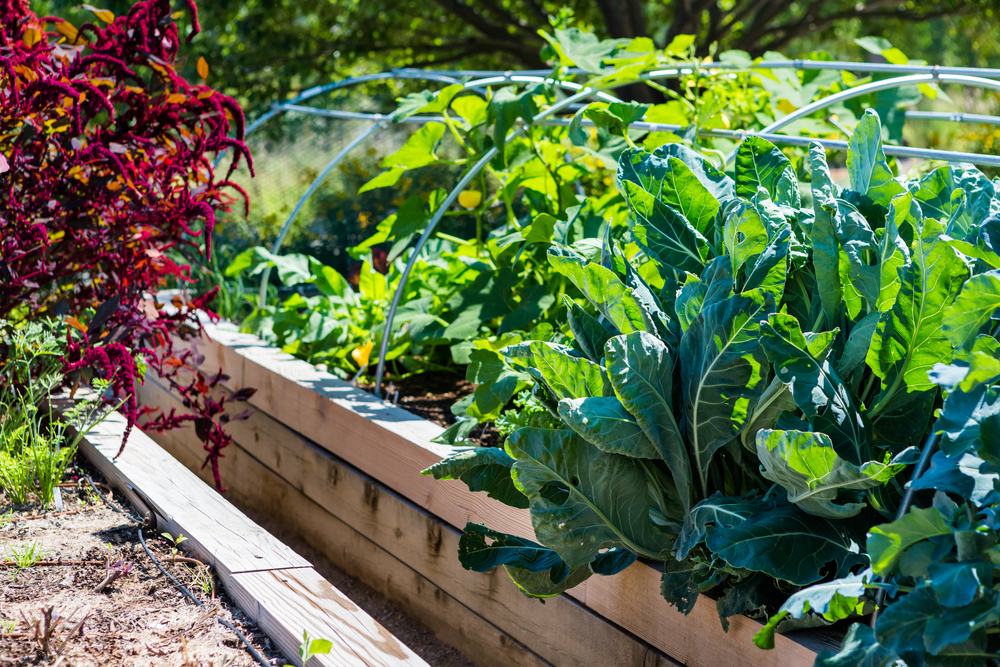
You’d have to agree, a veggie patch just looks better with flowers, especially in winter! In our climate , your go-to flowers should include Alyssum, Calendula, Nasturtium and Borage. As well as softening the look of your veggie garden, they attract pollinators, bring in predatory insects and act as trap crops for aphids.
Food source aside, veggie gardens can be an attractive addition to your garden. Companion planting will help to avoid costly losses to pests and optimise growing conditions. Our horticulturalists have decades of know-how and will guide you on the best plants for your space. Chat to one of our friendly team members.