Traditionally, springtime is considered the ideal season for planting, but our subtropical climate offers a growing advantage for winter plantings, especially for natives. In our region, the cooler months are ideal for establishing native gardens. Many native species are adapted to the local climate and conditions, including seasonal changes. Winter planting aligns with their natural growth cycles, allowing them to acclimate to their environment more effectively.
Mild winter temperatures ranging from 5-20 degrees create a favourable environment for plants to establish, with reduced stress compared to hotter months. Despite cooler temperatures, natives planted in winter will still need to be watered in to become established. Cooler days will just mean less watering, but regular watering is still beneficial for healthy, established root systems.
Avoiding the extreme heat of summer helps young plants avoid transplant shock, increasing their long-term survival rate, particularly in harsh or sandy soil conditions.
Reduced pests and diseases
Some pests enter a state of dormancy or hibernation in winter, making them less likely to reproduce or cause damage. This allows young plants to settle in without being heavily grazed, giving them time to become healthier and more resilient.
Best practice winter planting
Select indigenous plants that are adapted to our ecosystem. The Northern Rivers is home to a diverse array of native plants, many of which are well-suited for gardens and landscaping. Here are some notable native plants from the area:
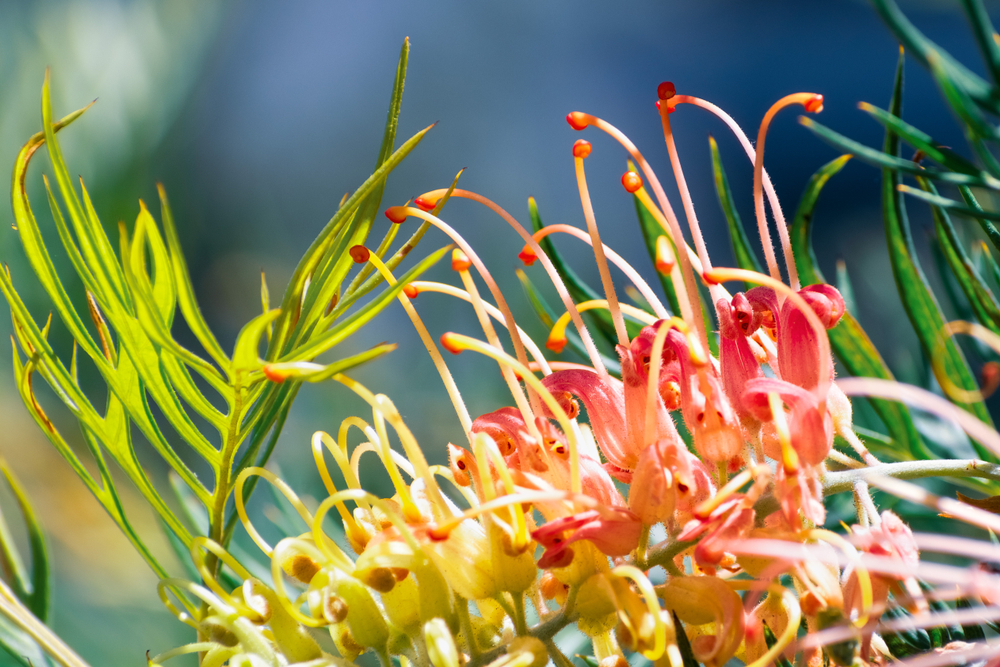
Grevillea: Grevilleas are known for their striking flowers, which attract birds and pollinators. They come in various forms, from ground covers to large shrubs.
Hibiscus tiliaceus: Also known as the Cottonwood or Native Hibiscus, this tree features large, bright yellow flowers and heart-shaped leaves. It is commonly found near coastal areas. It thrives in sandy soils and is often found in coastal and riparian zones.
Callistemon: Commonly known as bottlebrushes, these plants have distinctive brush-like flower spikes that attract nectar-feeding birds.
Banksia: Banksias are characterised by their unique flower spikes and foliage and make a stunning addition to any landscape design. They are vital for local wildlife, particularly birds and insects.
Tuckeroo (Cupaniopsis anacardioides): This medium-sized tree has glossy leaves and small fruits that attract birds. It grows well in coastal rainforests and fertile soils.
Native Ginger (Alpinia caerulea): This perennial plant features attractive foliage and produces edible fruit. Its lush appearance makes it a favourite in ornamental gardens.
If you’re planting a garden in the Northern Rivers or rethinking an existing one, adding natives during winter can give them a head start. Choosing locally grown plants will ensure your garden is well-adapted to our climate. More importantly, natives support local ecosystems while making your garden easier to manage and more sustainable over time. Our experienced team is always here to help – whether you’re a novice gardener or a professional landscaper, just ask!