If your are wondering why your garden looks tired now, you’re not alone. Late summer in the Northern Rivers brings high heat, humidity, heavy rain, and intense sun, all of which can leave even well-established plants looking stressed. The good news? Most plants aren’t dying – they’re just fatigued.
Here’s what’s happening and what you can do to bring your garden back to life.
Common signs of summer stress
The heat and humidity in our region can take its toll on plants. Here are some common signs that your garden is suffering:
- Wilting during the day, even when the soil is damp
- Yellowing or pale leaves
- Leaf burns or brown edges
- Dropping flowers or fruit
- Slower growth
Heat stress versus nutrient deficiency: How to tell the difference
It can be tempting to rush to fertilise when your plants look unwell. Often, that’s the last thing they need.
Heat stress looks like:
- Wilting during the hottest part of the day, recovering overnight
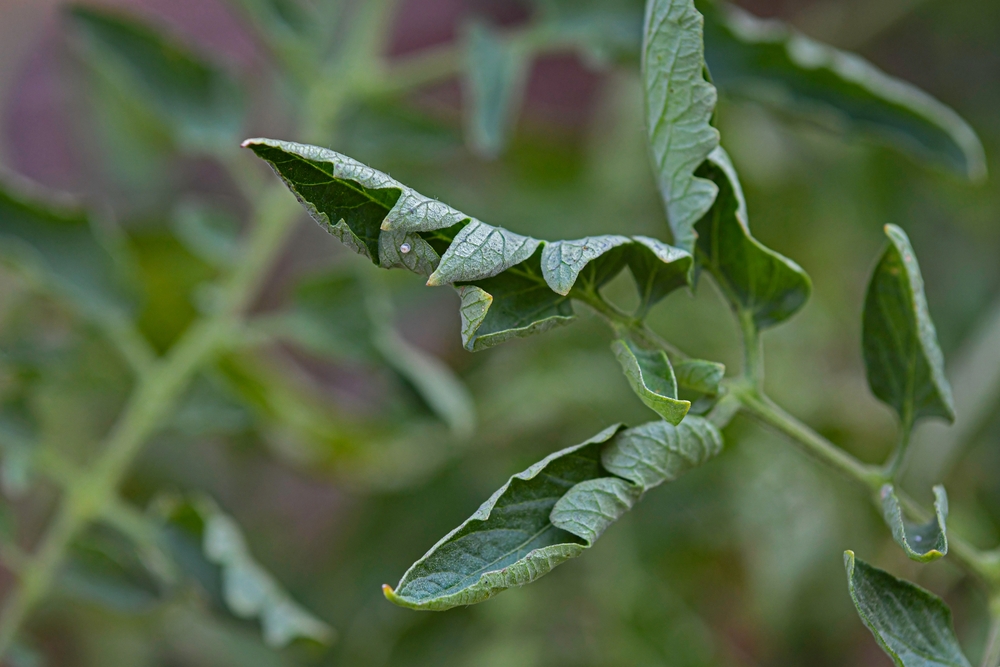
- Leaves curling or folding
- Patchy browning or scorched edges
Nutrient deficiency looks like:
- Yellowing starting from the older leaves
- Slow, weak growth over several weeks
- Consistent discolouration
If the issue appeared quickly during hot weather, hold off on strong fertilisers.
The safe way to feed plants in summer
Heavy fertilising in February can burn roots and worsen stress. Gentle, supportive products are best. Seaweed solutions improve stress tolerance. Use liquid tonics rather than granular fertilisers. Compost and worm castings will also improve your soil health. You should find that your plants recover better this way. Stronger fertilisers push new growth, which is sensitive to heat.
Smart watering
Overwatering is just as common as underwatering in the Northern Rivers. The best strategy is to water deeply in the early morning and avoid daily shallow watering. Adding organic matter to your garden will improve soil structure, allowing it to drain more freely. Some soils are hydrophobic, which means they don’t absorb water well. This often appears as if the water is beading off or pooling, leaving the soil underneath dry. Wetting agents are a good short-term solution, but for long-term results, adding organic matter is best. Rotted organic material introduces micro-organisms to the soil that break down the waxy residue and improve the soil’s biology and ability to absorb water.
Mulch is your best friend right now
A fresh layer of mulch can make a huge difference. It keeps roots cool, reduces moisture loss, and protects the soil from the impact of heavy rain. It also suppresses weeds. 7-10cm of mulch will do the job. Make sure you keep it clear of plant stems to avoid rot.
Late summer is about supporting plants, not pushing them. It is not the time for heavy pruning or strong fertilisers. Some plant stress at this time of the year is normal and often not caused by pests. With a few small adjustments now, your garden will bounce back quickly so it’s in great shape heading into autumn. If you still have concerns, speak to one of our consultants. Our team has decades of horticultural knowledge to share.